Before-and-After Renderings for Contractor Proposals
Before-and-after visuals help contractors show the size of the transformation. The customer sees the existing problem and the proposed solution in one clear story.
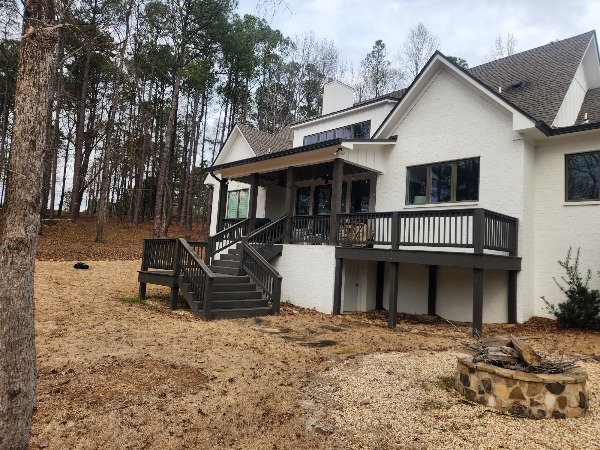
The before photo matters
A polished final rendering is useful, but pairing it with the existing site can be even stronger. The before photo reminds the homeowner why they reached out in the first place: wasted space, aging materials, bad flow, missing shade, poor privacy, or a yard that does not support how they want to live outside.
That contrast turns the proposal into a story. It is no longer only a price for materials and labor. It is a visible transformation from current frustration to future use.
Use before-and-after visuals in follow-up
Contractors often lose momentum after the appointment. A before-and-after image gives the follow-up email or text something concrete to say. It also gives the homeowner something easy to forward to a spouse, friend, or decision-maker.
- Show the current space next to the proposed concept.
- Call out the decision points: layout, rail, roof, privacy, lighting, or material upgrade.
- Use the visual in the proposal PDF or email follow-up.
- Keep the final image aligned with the quoted scope.
Do not oversell the transformation
Before-and-after renderings should still be believable. If the rendering adds landscaping, furniture, lighting, or finish details that are not part of the contract, the contractor should be clear about what is conceptual and what is included.
The best proposal image improves confidence without creating a mismatch between the visual and the final agreement.
Where this works best
This approach is strongest for projects where the existing space is hard to love: old decks, blank patios, awkward yards, dated fences, or underused areas around a pool. The bigger the gap between current condition and proposed result, the more useful the visual story becomes.
Common Questions
Can a phone photo be used as the before image?
Yes. A clear phone photo is often enough if it shows the work area, house connection, grade, and major site features.
Should furniture or landscaping be shown?
It can be shown when it helps communicate scale and use, but anything not included in the proposal should be treated as conceptual.
Sources and Further Reading
Related Resources
Want this kind of visual for your next proposal?
Send the rough layout, site photos, measurements, or customer sketch. I can help turn it into a polished rendering or drawing package.
Start a Project