Do 3D Renderings Help Outdoor Contractors Close More Jobs?
Good renderings do not replace pricing, trust, follow-up, or craftsmanship. They do help homeowners understand what they are being asked to buy, and that can change the quality of the sales conversation.
The honest answer
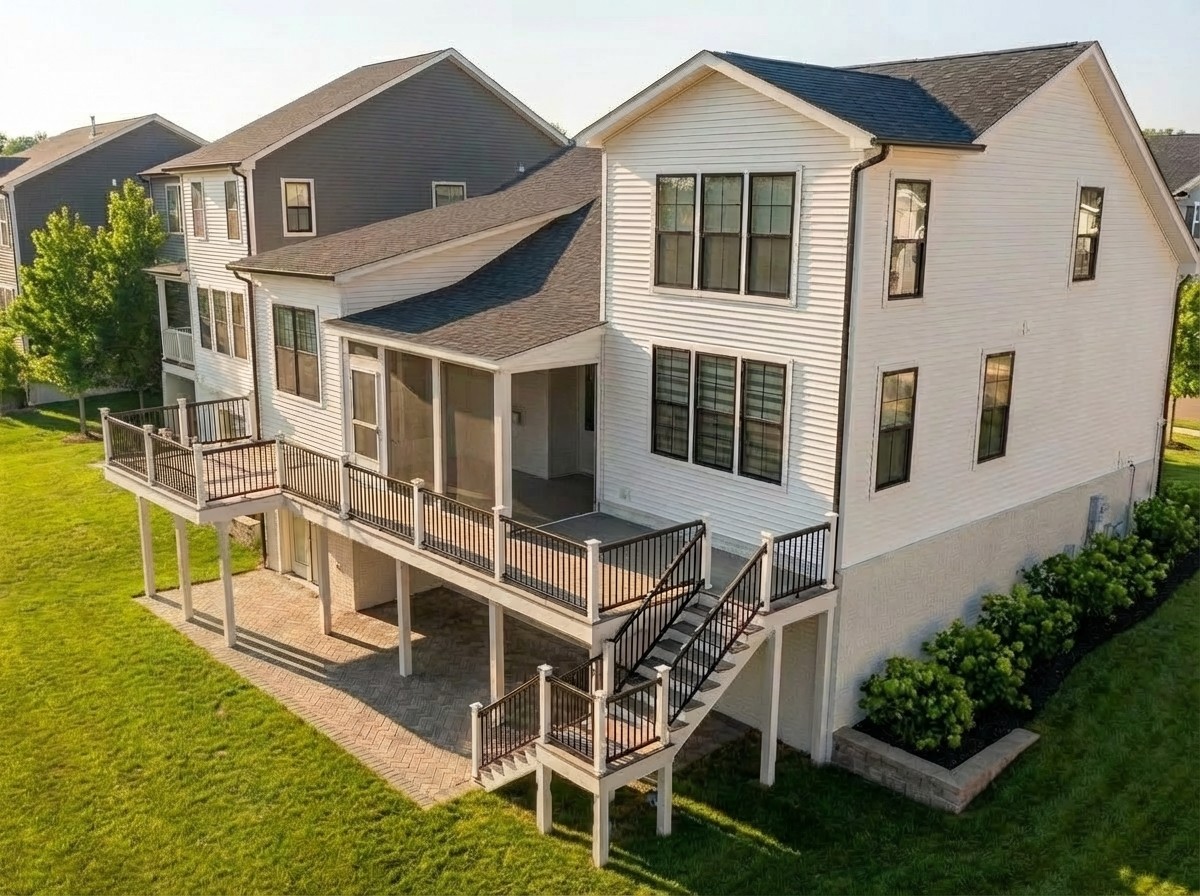
Yes, 3D renderings can help contractors close more jobs, but not because a pretty image magically turns a cold lead into a signed contract. Renderings work because they reduce uncertainty. A homeowner can see the layout, railing, color direction, privacy screens, stairs, porch roof, pool edge, or fence style before committing real money.
That matters in outdoor living work because the buyer is usually making a high-cost decision about a space they cannot easily picture from a sketch or a line item estimate. When the finished project becomes visible, the conversation moves from abstract cost to tangible value.
What the market is showing
Recent deck-industry coverage has pointed to the same pattern: fast, realistic visualizers help homeowners make choices sooner, compare rail and color options, and understand the project during the consultation. A published remodeling case study also reported an 85% initial-meeting close rate after bringing photorealistic 3D renderings and real-time design communication into the sales process.
That 85% figure is encouraging, but it should be treated as a case study, not a guarantee. Close rates depend on lead source, price position, sales skill, market conditions, the contractor reputation, and how well the visuals match the actual scope. The useful takeaway is simpler: clear visuals can remove one of the biggest reasons homeowners hesitate.
Where renderings help most
The strongest use case is not showing a generic dream deck. It is showing the customer their house, their yard, their view, and the options from the estimate. That is what makes a rendering feel like part of the buying decision instead of decoration.
- Comparing railing styles, privacy screens, decking colors, skirting, lighting, or layout options.
- Explaining premium upgrades without making the customer imagine the difference from a catalog.
- Helping spouses or other decision-makers align before the proposal goes stale.
- Giving the contractor a clean follow-up asset for email, text, social proof, and proposal packets.
What renderings should not do
A rendering should not overpromise, hide practical constraints, or drift away from the buildable scope. It should support the sale while keeping expectations clean. The construction details still belong in drawings, specifications, material selections, and permit documents.
That is the difference between useful visualization and janky AI imagery. The goal is not to flood the customer with random generated options. The goal is to make the proposed build easier to understand, approve, and remember.
Common Questions
Do renderings guarantee a better close rate?
No. A rendering can improve clarity and confidence, but close rate still depends on lead quality, pricing, trust, follow-up, timing, and the contractor reputation.
When should a contractor use a rendering in the sales process?
Renderings are most useful when the customer is choosing between layouts, upgrades, materials, or a higher-ticket outdoor living scope that is hard to picture from a sketch.
Sources and Further Reading
Related Resources
Want this kind of visual for your next proposal?
Send the rough layout, site photos, measurements, or customer sketch. I can help turn it into a polished rendering or drawing package.
Start a Project