Renderings vs. Permit-Ready Deck Plans: What Contractors Actually Need
Renderings and plans solve different problems. A rendering helps the homeowner understand the finished project. A plan set helps the contractor, permit office, and field crew understand how the project is supposed to be built.
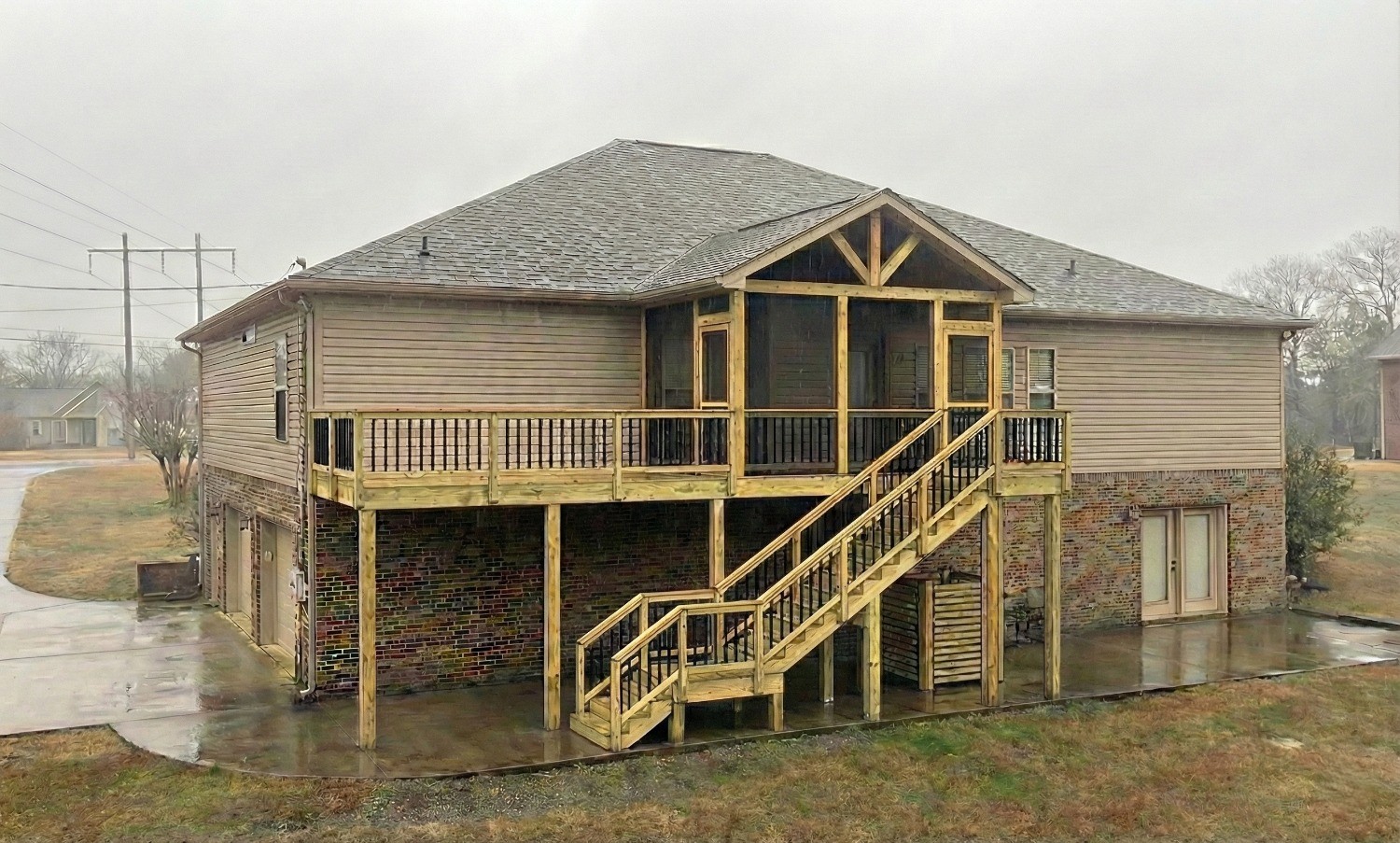
Two deliverables, two jobs
A 3D rendering is built for communication. It shows the homeowner what the deck, porch, fence, or pool area may feel like after construction. It is useful for sales meetings, proposal follow-up, upgrade conversations, and keeping a premium project from feeling abstract.
A permit-ready plan set is built for review and execution. It typically includes plan views, framing information, elevations, footing layout, stair details, sections, and notes that help a building department or production team understand the proposed work.
When a rendering is enough
For early sales conversations, a rendering may be the right first step. If the customer is still deciding between layouts or material packages, a visual can help them choose a direction before the contractor invests in a full drawing package.
- The homeowner needs to understand the layout or design direction.
- The contractor wants to show premium upgrades clearly.
- The project is not ready for permit drawings yet.
- The immediate goal is approval, not field execution.
When plans matter more
Once the job moves toward permitting, production, or detailed estimating, the plan set becomes the backbone. A polished rendering cannot explain every framing connection, footing location, stair run, guard detail, or local-code requirement.
Many municipalities expect drawings that communicate structural layout and construction intent. Requirements vary by jurisdiction, which is why contractors should confirm local expectations before assuming a visual presentation is enough.
Why many projects benefit from both
The strongest presentation usually pairs the two. The rendering gives the customer confidence in the finished look. The drawings give the contractor and reviewer confidence in the build path. When both are based on the same project information, the proposal feels more complete and the handoff is cleaner.
Common Questions
Can I use a rendering for a permit?
Usually no. A rendering may help explain design intent, but permit offices typically need drawings with dimensions, framing, footings, elevations, and code-related notes.
Should I order renderings before plans?
If the design is still being sold, renderings can come first. If the scope is already approved and headed to permit, plans may be the priority.
Sources and Further Reading
Related Resources
Want this kind of visual for your next proposal?
Send the rough layout, site photos, measurements, or customer sketch. I can help turn it into a polished rendering or drawing package.
Start a Project